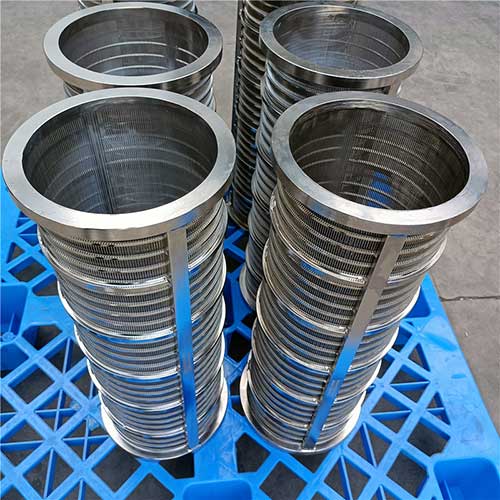
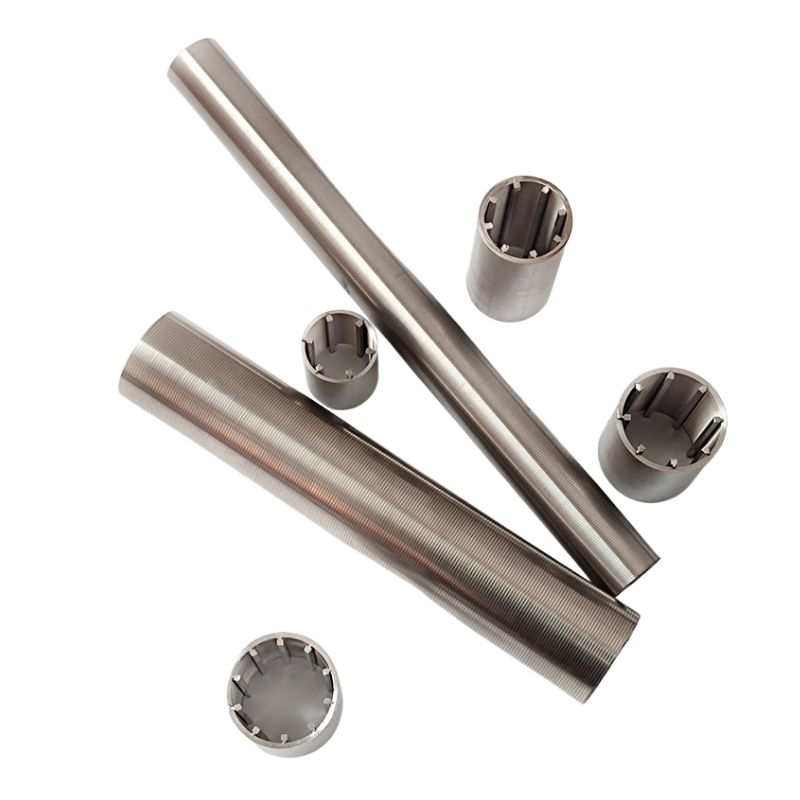
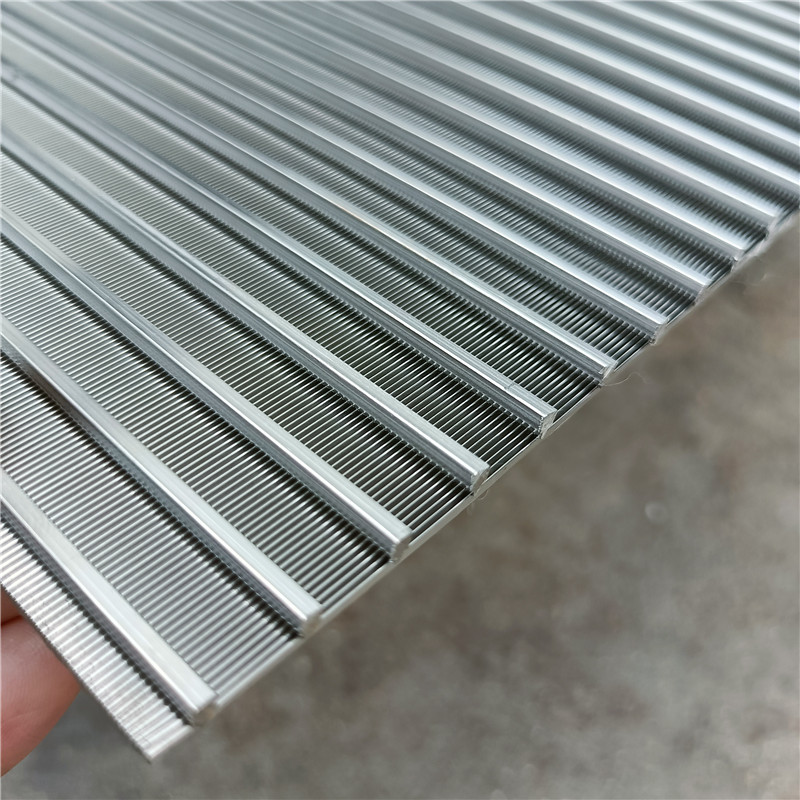
Clean wedge wire screens by identifying the deposit, applying a compatible cleaning method, and checking that both flow performance and slot condition recover. Water rinsing or approved reverse-flow cleaning may remove loose solids. Grease, biological films, and mineral scale can require different treatments.
Maintenance should follow the installed equipment’s instructions and operating evidence. Wedge wire geometry can reduce particle wedging, but it cannot eliminate fouling. An effective programme protects the screen’s openings, supports, welds, and seals while keeping the separation process reliable.
Fouling Types and Cleaning Triggers
A blocked surface does not always need stronger washing. Loose particles, fibrous mats, sticky residues, and hard scale behave differently. Identify the deposit before deciding whether to rinse, brush, backwash, or use chemicals.
Observe where fouling occurs. Deposits concentrated near the feed point can indicate poor distribution. Repeated blockage after cleaning may reflect changing solids loading or insufficient solids removal. Correcting these causes can reduce cleaning demand.
| Observed deposit | Initial approach | Main limitation |
|---|---|---|
| Loose particles | Water rinse or approved backwash | Flush released solids out of the system |
| Fibrous surface mat | Gentle removal and compatible brushing | Avoid forcing fibres deeper into slots |
| Grease or sticky organics | Approved detergent or alkaline treatment | Check temperature and material compatibility |
| Hard mineral scale | Identify scale; select approved descaling treatment | Do not choose acid solely by appearance |
| Biological film | Physical cleaning plus validated treatment where required | Cleaning alone does not establish disinfection |
Track performance alongside visual condition. Useful indicators include rising differential pressure in enclosed filters, increasing upstream level in open screens, falling flow under comparable conditions, or worsening downstream solids carryover.
A damaged screen can pass more liquid while separating less effectively. Low pressure loss therefore does not prove that the screen is sound. Interpret readings together with slot inspection and process results.
Preparation and Equipment Isolation
Before manual cleaning, identify the screen material, slot specification, intended flow direction, and any manufacturer restrictions. Review the complete assembly, including seals, coatings, plastics, and connections.
Stop and isolate equipment before accessing moving parts or removing an element. Prevent automatic restart and unexpected feed entry. Depressurize enclosed systems and drain them through the approved procedure.
Automatic wash cycles are different from manual maintenance. Designed cleaning systems may operate while equipment runs, but this does not authorize reaching into an operating drum or opening a pressurized housing.
Provide a route for wash water and removed solids. Otherwise, cleaning can transfer deposits into another section of the process or allow them to settle back onto the screen. Select tools that can reach the working surface without loading unsupported areas.
Water Cleaning and Mechanical Deposit Removal
Rinsing and Brushing
Begin with the least aggressive effective method permitted by the equipment instructions. Remove accessible loose deposits and rinse before they dry into harder accumulations.
Use compatible nonmetallic tools where permitted. Ordinary carbon-steel brushes can contaminate stainless surfaces, and sharp tools can score profile wires or change slot openings. Never use screwdrivers or picks to widen blocked slots.
Apply light, controlled brushing to the accessible screening face. Choose the brushing direction and tool shape according to the wire layout and access, rather than forcing a brush into narrow openings.
Cleaning pressure is a design-specific limit. Nozzle type, distance, angle, exposure time, and support spacing affect local loading. Do not assume that a screen suitable for process pressure can tolerate a concentrated pressure-washer jet.
Backwashing and Built-In Cleaning
Where approved, backwashing reverses flow to release retained deposits from the filtration surface. Confirm the permitted direction, differential pressure, and duration for the element and its housing.
Reverse flow may load the structure differently from normal operation. Supports, welds, and seals must be suitable for the cleaning cycle. Provide enough discharge capacity to remove released solids.
For equipped systems, inspect spray patterns, blocked nozzles, scraper contact, and brush wear. Missing spray coverage can leave repeat fouling bands that appear to be screen defects.
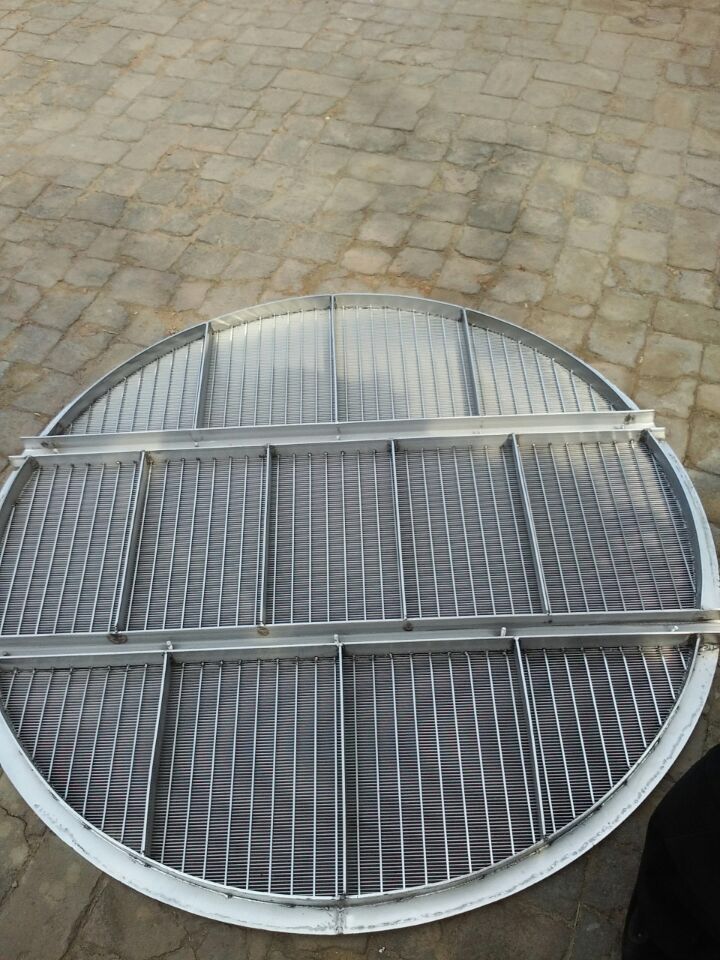
Air-assisted cleaning also requires an engineered installation. Some passive intake screens use purpose-designed air backwashing; this does not justify applying unrestricted compressed air to any wedge wire element.
Chemical Cleaning and Material Compatibility
Chemical cleaning becomes appropriate when approved physical methods cannot remove the deposit effectively. Select the treatment for the deposit and confirm compatibility with every wetted component.
Alkaline detergents may suit certain fats and organic residues. Approved acidic formulations may suit some mineral scales. Neither category is universally effective or safe across all alloys, seals, and operating conditions.
Identify uncertain deposits through process records, sampling, or specialist analysis. Increasing chemical strength without understanding the residue can damage equipment while leaving the underlying fouling mechanism unresolved.
For stainless steel screens, chloride-containing cleaning agents require particular caution. Hydrochloric acid should not be a default descaler: stainless-steel guidance identifies pitting risks from chloride-containing agents. The word “stainless” does not establish universal chemical resistance.
Specify the chemical, concentration, temperature, exposure time, circulation method, and rinse requirement in the approved procedure. Do not combine incompatible agents or improvise mixtures.
After treatment, rinse to the defined acceptance criteria for the process. Food-contact service may require validated cleaning and sanitation steps beyond visible deposit removal. Surface appearance alone cannot establish hygienic readiness.
Post-Cleaning Inspection and Performance Checks
Inspect the accessible screening surface after deposits are removed. Look for broken or displaced wires, opened slots, cracked welds, worn contact areas, corrosion pits, and damaged seals.
Check the reverse side and supports where accessible. Deposits and structural problems can remain hidden beneath a clean-looking working surface. Inspect mounting points for looseness or distortion. GEA’s slope-screen instructions, for example, specifically identify rear-surface inspection as necessary when checking calcium deposits.
Where retention is critical, verify openings using the approved inspection method and tolerance. Improvised gauges forced into the slots can cause damage and unreliable measurements.
Reinstall the element in its specified orientation with correctly seated seals. Restore guards and controls before a controlled restart. Confirm that drainage and solids discharge paths are open.
Compare flow, level, or pressure readings with the established clean baseline under similar conditions. If performance remains poor, investigate residual fouling, feed changes, blocked piping, instrumentation, or structural damage.
Do not define success only as recovered flow. Confirm that the screen still provides the required separation and that material is not bypassing through seals or damaged areas.
Maintenance Scheduling and Replacement Decisions
Set cleaning intervals from equipment instructions and operating trends. There is no universal daily, weekly, or monthly schedule covering every wedge wire application.
Begin with close observation during commissioning and after process changes. Refine the interval once records show how quickly the screen fouls under representative conditions.
Keep a concise maintenance record covering:
- Operating readings before and after cleaning.
- Deposit appearance and location.
- Cleaning method and approved operating settings.
- Inspection findings and replaced components.
- Time until fouling returns under comparable feed conditions.
Shortening intervals can indicate a process problem, declining cleaning performance, or surface deterioration. Check the cause before simply increasing cleaning frequency.
Replace or obtain an approved repair assessment when damage compromises retention, strength, or fit. Cracked welds, distorted openings, and serious corrosion require evaluation. Field welding or reshaping can alter dimensions and separation performance.
For replacements, retain the drawing, material specification, slot tolerance, flow direction, and mounting details. These records make future maintenance more reliable than ordering from a photograph or nominal dimensions alone.
Conclusion
Effective wedge wire screen maintenance combines deposit-specific cleaning with inspection and performance verification. Use approved rinsing or backwashing where suitable, escalate to compatible chemical treatment when justified, and investigate recurring fouling. Protecting slot geometry and assembly condition is as important as restoring flow.