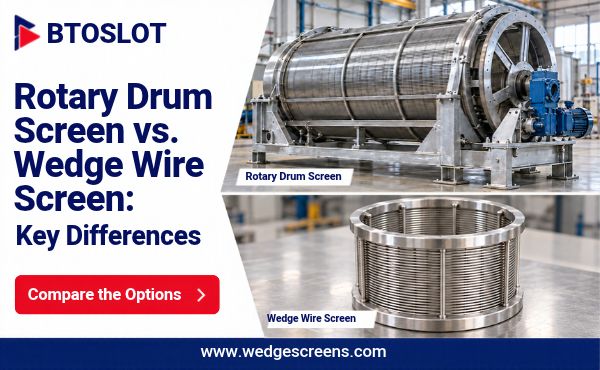
Wedge wire water well screens are indispensable components in groundwater extraction and filtration systems. Known for their durability, precision, and efficiency, these screens are widely used across various industries, including agriculture, municipal water supply, mining, and environmental management. This article delves into the design, functionality, advantages, and applications of wedge wire water well screens, providing a comprehensive understanding of their significance.
What Are Wedge Wire Water Well Screens?
Wedge wire water well screens are filtration devices made from stainless steel or other corrosion-resistant alloys. They consist of wedge-shaped wires that are welded onto support rods, forming a robust, cylindrical, or flat panel structure. The design ensures uniform slot openings, which allow water to flow through while preventing the passage of unwanted particles like sand, gravel, or debris.

The wedge wire’s unique V-shaped profile is a hallmark feature. This shape prevents clogging by allowing trapped particles to fall away from the surface, maintaining efficient filtration over extended periods.
Design and Construction
1.Material Selection:
Most wedge wire screens are crafted from stainless steel, which offers excellent resistance to corrosion, high tensile strength, and a long lifespan. Depending on the application, other materials, such as alloy steel or specialized coatings, may be used to enhance performance in extreme conditions.
2.Slot Openings:
The slot size of a wedge wire screen is a critical factor. It determines the screen’s filtration efficiency and is tailored to meet specific well conditions. Slot sizes typically range from 0.1 mm to several millimeters, depending on the desired level of filtration.
3.Structure:
Wedge wire screens are manufactured in cylindrical, conical, or flat panel shapes. The choice of structure depends on the application requirements. Cylindrical screens are commonly used in water wells, while flat panels may serve as sieves or support grids in industrial filtration systems.
How Wedge Wire Screens Work
The functionality of wedge wire screens is rooted in their ability to filter water efficiently. As water flows through the screen, the precise slot openings allow the passage of liquid while capturing solid particles. The V-shaped wires ensure that particles are less likely to become lodged in the slots, reducing the risk of clogging and maintaining high flow rates.
This self-cleaning mechanism makes wedge wire screens particularly effective in environments with high sediment loads or where maintenance access is limited.
Advantages of Wedge Wire Water Well Screens
1.Durability:
Wedge wire screens are built to withstand harsh operating conditions, including high pressure, temperature variations, and corrosive environments.
2.Customizability:
Manufacturers can tailor wedge wire screens to specific requirements, adjusting slot sizes, shapes, and materials to optimize performance for diverse applications.
3.Efficiency:
The design minimizes clogging and maximizes flow rates, reducing operational downtime and maintenance costs.
4.Eco-Friendliness:
The screens’ long lifespan and resistance to chemical degradation make them an environmentally sustainable choice, as they require less frequent replacement compared to other filtration methods.
Applications of Wedge Wire Water Well Screens
1.Groundwater Wells:
In water wells, wedge wire screens play a vital role in preventing sediment intrusion, ensuring clean water extraction. Their ability to handle large volumes of water makes them ideal for municipal and agricultural water supply systems.
2.Industrial Filtration:
Industries such as mining, oil and gas, and chemical processing rely on wedge wire screens for separating solids from liquids in demanding environments.
3.Environmental Management:
Wedge wire screens are used in water treatment plants to filter contaminants and in soil remediation projects to extract clean groundwater.
4.Power Plants:
In power generation facilities, wedge wire screens are employed to protect turbines by filtering cooling water from nearby rivers or oceans.
5.Food and Beverage Industry:
These screens also find applications in the food and beverage sector, where they are used for filtering and separating products in processes such as brewing and juice production.
Installation and Maintenance
Proper installation is essential to ensure the efficiency and longevity of wedge wire screens. Professional well constructors and technicians are usually required to install these screens, ensuring they fit securely within the well casing.
Maintenance typically involves periodic inspections to check for damage or buildup. However, due to their self-cleaning properties, wedge wire screens require minimal upkeep compared to other filtration systems.

Conclusion
Wedge wire water well screens represent a fusion of innovative design and reliable functionality, making them a cornerstone of modern water filtration systems. Their durability, efficiency, and adaptability to a wide range of applications underscore their value across industries. Whether in groundwater extraction, industrial processing, or environmental management, wedge wire screens offer a practical and effective solution for achieving clean water and efficient filtration.
As global demand for clean water and efficient filtration solutions grows, wedge wire water well screens will continue to play a critical role in addressing these challenges, setting a benchmark for quality and performance in the field of water filtration.